Start Chat

Makar Sankranti is an extremely sacred and auspicious festival in Sanatan Dharma (Hinduism), marking the Sun’s transition into Capricorn and symbolizing harmony between nature, sun worship, and human life. Celebrated under different names across India—in North India as Makar Sankranti, in Gujarat and parts of Rajasthan as Uttarayan, in Tamil Nadu as Pongal, and in Assam as Magh Bihu—the festival’s core remains the reverence for the Sun God, acts of charity, and gratitude for the harvest.

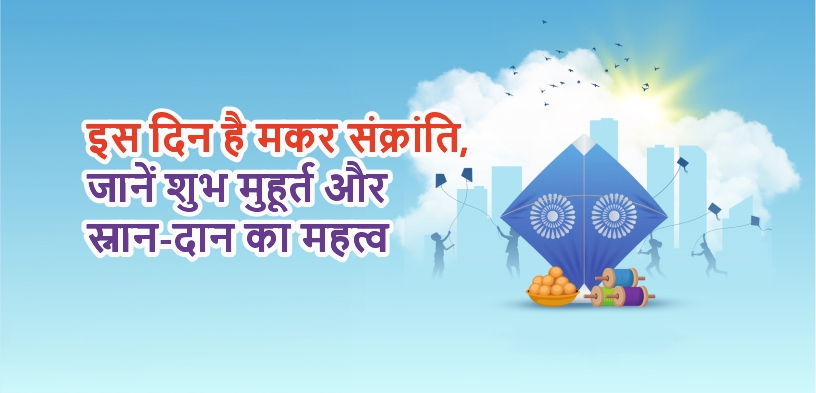
A particularly exhilarating tradition during Uttarayan in Gujarat is the mass kite-flying spectacle, where rooftops come alive with people battling colorful kites in the sky, shouting “Kai Po Che!” in triumph, representing the soul’s ascent toward freedom and the divine while welcoming brighter, longer days.

The festival of Makar Sankranti is celebrated with the Sun God’s entry into the Capricorn zodiac sign. This is the moment when the sun moves towards the north (Uttarayan), and the auspicious period begins after the inauspicious period of Kharmas. From a religious perspective, this time is considered extremely auspicious for self-purification and accumulating merit.


When is Makar Sankranti 2026: Know Date and Time

In 2026, it will be celebrated on January 14th. The auspicious period for this day will begin at 3:13 PM. The most auspicious period (Maha Punya Kaal) will be from 3:13 PM to 4:58 PM. According to the scriptures, bathing, charity, and worship performed during this period yield manifold blessings. It is believed that performing acts of charity during this auspicious time brings eternal merit and ushers in happiness and prosperity in the devotee’s life.


Particulars Date & Time (2026)
Makar Sankranti Date
(Sun enters Capricorn)
14 January 2026
Wednesday
Sankranti Moment
(Exact Transit Time)
3:13 PM (IST)
Maha Punya Kaal
(Most Auspicious Period)
3:13 PM to 4:58 PM
Important Note Bathing (snan), charity (daan), and worship performed during Maha Punya Kaal yield manifold blessings. This marks the beginning of Uttarayan and brings happiness, prosperity, and eternal merit.

Note: Makar Sankranti 2026 will be celebrated on 14 January 2026.


Why Makar Sankranti is Important

The religious significance of Makar Sankranti is profound. This festival marks the beginning of Uttarayan, when the Sun God moves from Dakshinayan (southward) to Uttarayan (northward). Uttarayan is considered a period of spiritual advancement. The chanting, penance, charity, and worship performed during this time yield quick results.

The scriptures state that bathing in the Ganges, Yamuna, Saraswati, or any other holy water source on the day of Makar Sankranti absolves a person of all their sins. Giving alms to Brahmins, sadhus, and the poor, needy, and distressed is believed to bring special blessings from Lord Surya (the Sun God).


Spiritual Significance of Makar Sankranti

Makar Sankranti is mentioned in numerous mythological stories. According to the Mahabharata, Bhishma Pitamah relinquished his life while waiting for the Uttarayana period. It is believed that attaining liberation (moksha) is possible by leaving one’s body during Uttarayana. For this reason, this period is considered highly auspicious.

In agrarian India, it also holds special social and cultural significance. This festival symbolizes the welcoming of the new harvest. Farmers express their gratitude to nature and the Sun God on this day. The Sun God is considered a symbol of life, energy, truth, and penance; therefore, he is specially worshipped on this day.


Makar Sankranti State-Wise Celebrations and Specialties

Makar Sankranti unites India through shared themes of harvest, sun worship, and charity, but each state adds its unique flavor. Here’s a glimpse into regional specialties:

  • North India (Uttar Pradesh, Bihar, Punjab): Known simply as Makar Sankranti, celebrations feature massive kite-flying sessions (Patang Utsav) and bonfires (Lohri in Punjab). Specialties include til-gud laddoos (sesame-jaggery sweets) for sweetness in life, and holy dips in rivers like the Ganges during Kumbh Mela gatherings.

  • Gujarat (Uttarayan): Famous for the International Kite Festival, where skies fill with colorful patangs. People chant “Kite ni line, gau ni line” while flying kites. Undhiyu (mixed vegetable dish) and sesame-jaggery chikkis are must-haves, symbolizing prosperity.

  • Maharashtra: Called Sankranti or Til Sakarat, it involves “haldi-kumkum” rituals for women and cow worship. Puran poli (sweet stuffed flatbread) and tilgul (sesame-jaggery candy) are iconic, shared with the chant “Tilgul ghya, god god bola” for sweet relations.

  • Tamil Nadu (Pongal): A four-day harvest fest starting with Bhogi Pongal (bonfire), followed by Thai Pongal (sweet rice pudding cooked in new earthen pots outdoors). Kolam (rangoli) designs adorn homes, and jallikattu (bull-taming) thrills crowds in rural areas.

  • Andhra Pradesh & Telangana (Pongal/Sankranti): Features bonfires, cockfights, and rangoli contests. Sweet pongal (rice with jaggery and lentils) and salty versions are prepared, with sugarcane harvesting celebrated vibrantly.

  • Karnataka (Sankranti/Ellu Bella): Families exchange “ellu bella” (sesame-jaggery mix with nuts) for harmony. Kite flying and bullock cart races highlight rural joy, alongside sugali (mixed vegetable curry).

  • Assam (Magh Bihu/Bihu): Marks the harvest with community feasts of pitha (rice cakes) and payasam around meji (bonfires). Buffaloes are bathed and decorated, emphasizing agrarian gratitude.

  • West Bengal (Poush Sankranti): Til-gud sweets and date palm jaggery dishes dominate, with fairs featuring folk songs and dances. Charity to monks adds a spiritual touch.


The Spirit of the Skies: Why Makar Sankranti is the Kite Festival

Makar Sankranti is celebrated as the “Kite Festival” because it beautifully blends physical well-being with spiritual aspiration. As the sun begins its northward journey (Uttarayan), flying kites brings people onto their rooftops to soak in the sun’s healing rays, naturally replenishing Vitamin D after the cold winter months.

Beyond the health benefits, the soaring kite symbolizes the human spirit rising high toward the Divine, representing our dreams taking flight. This tradition has turned the sky into a vibrant canvas of colors, where the friendly competition of “kite fighting” fosters a unique sense of community, joy, and togetherness, making the kite the ultimate symbol of this auspicious harvest festival.


Makar Sankranti Puja Rituals

On the day of Makar Sankranti, wake up early in the morning during the auspicious time and take a bath in a holy river or lake. If this is not possible, you can bathe at home. While bathing, chant the following mantra:


Gange Cha Yamune Chaiva Godavari Saraswati.
Narmade Sindhu Kaveri Jalasmin Sannidhim Kuru.


Om Apavitrah Pavitro Va Sarvavastham Gatopi Va.
Yah Smaret Pundarikaksham Sah Bahyabhyantarah Shuchi.


After bathing, wear clean clothes. For the puja, take a copper vessel and fill it with clean water. Add flowers, sesame seeds, jaggery, and vermilion to the water. Facing east, offer Arghya (water offering) to the Sun God. While offering Arghya, devoutly chant the mantra “Om Suryaya Namah.”

After this, offer sesame seed ladoos, khichdi, and other dishes to the Sun God. Recite the Surya Chalisa or Aditya Hriday Stotra. Finally, bow down to Lord Surya and pray for the happiness, prosperity, good health, and well-being of your family.


Donation on Makar Sankranti

The festival of Makar Sankranti is considered incomplete without acts of charity and good deeds. The scriptures state that charity performed on this day yields inexhaustible rewards, the merit of which never diminishes. Serving the poor, helpless, and needy on this day greatly pleases Lord Surya (the Sun God).

Donation of Food: Donating food is of special significance on this day. Donating khichdi (a dish made of rice and lentils) is considered extremely auspicious. Donating sesame seeds and jaggery also leads to an increase in wealth, fame, and respect. Feeding a hungry person on this day is considered an excellent way to receive the blessings of Goddess Annapurna.

Donation of Clothing: Donating clothes also holds special importance on the occasion of Makar Sankranti. Donating new clothes or donating blankets or sweaters for winter to the poor, elderly, and needy is considered meritorious. Doing so removes obstacles in life and paves the way for happiness and peace.


Frequently Asked Questions:

Q: When will Makar Sankranti 2026 be celebrated?
A: In 2026, it will be celebrated on January 14th.

Q: Where should one bathe on this auspicious day?
A: One should bathe in a holy river or lake.

Q: What things should be donated?
A: Food and clothing should be donated.

Q: Whose blessings are received on this holy occasion?
A: The blessings of Lord Surya (the Sun God) are received.

X
Amount = INR